Future Health Pharmacy

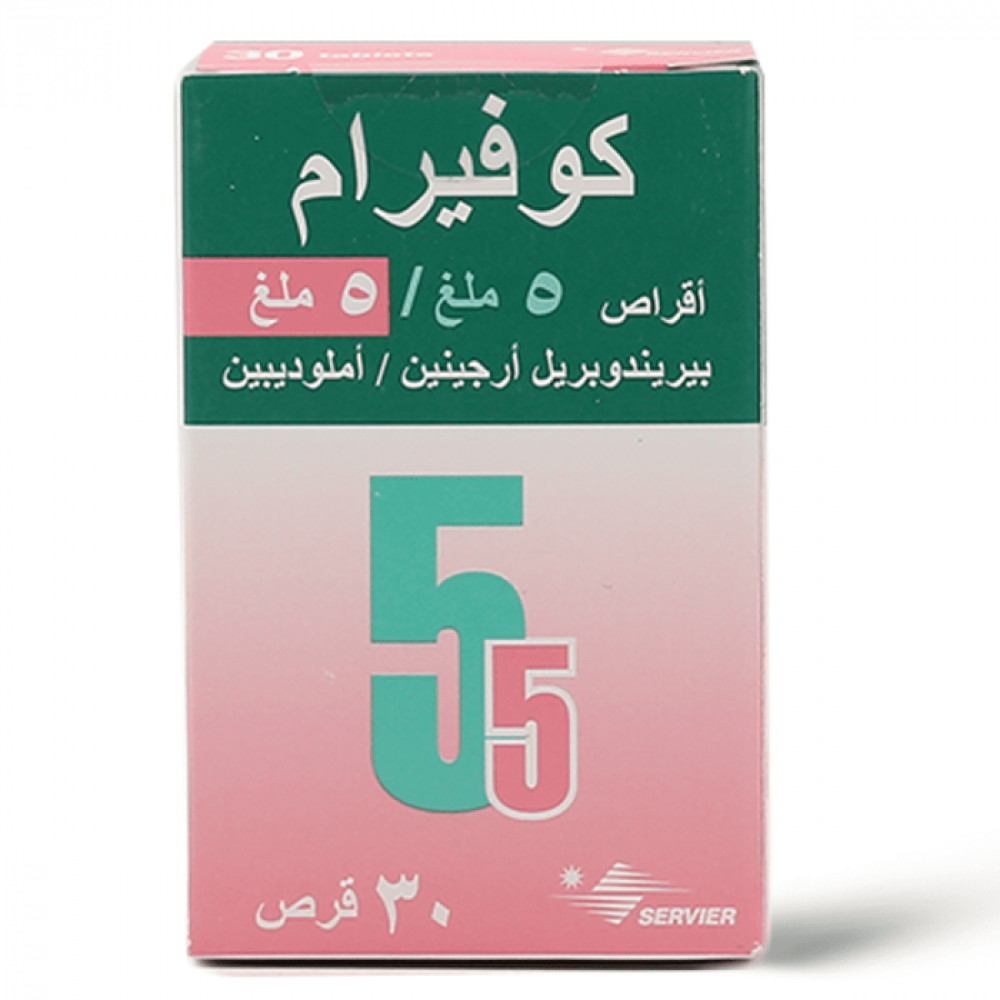
Coveram 5/5 mg 30 tablets

68.45

In Stock
Sku 1000654

68.45

Add to cart

Perindopril 5 mg / Amlodipine 5 mg Tablets


What is Perindopril/Amlodipine and what is it used for?

  • Perindopril is a medication that belongs to a class of drugs known as angiotensin-converting enzyme (ACE) inhibitors.
  • Amlodipine belongs to a class of medications known as "calcium channel blockers."
  • One tablet of this product replaces two separate products of perindopril and amlodipine.
  • This combination of active ingredients works by dilating your blood vessels, making it easier for your heart to pump blood through them. This medication is used for the following indications:
  • To treat high blood pressure.
  • To reduce the risk of heart disease, such as heart attack, in patients with coronary artery disease.

Do not take perindopril/amlodipine:

  • If you are allergic to perindopril, amlodipine, or any of the other ingredients of this medicine, or any other ACE inhibitor or calcium channel blocker.
  • If you have previously experienced angioedema caused by perindopril or another ACE inhibitor. Angioedema is a condition characterized by signs and symptoms such as swelling of the face, throat, or tongue, wheezing, severe itching, or a severe skin rash.
  • If a family member has previously had angioedema due to perindopril or another ACE inhibitor.
  • If you are taking bisphosphonate/valsartan (used for heart failure).
  • If you are pregnant or planning to become pregnant.
  • If you have diabetes or kidney problems and are taking aliskiren.
  • If you have renal artery stenosis (narrowing of the artery that supplies blood to the kidneys).
  • If you have aortic stenosis (narrowing of the main blood vessel leading to the heart).
  • If you have severe low blood pressure.
  • If you have unstable angina (chest pain or discomfort that lasts more than a few minutes or occurs while at rest and may not be relieved with medicine).
  • If you have cardiogenic shock (a sudden, severe decrease in blood flow and blood pressure through the body due to poor pumping by the heart muscle).
  • If you have heart failure (the heart muscle is unable to pump blood properly to the body) within the first 28 days after a heart attack.

Warnings and Precautions:

  • Stop taking the medicine immediately and talk to your doctor or pharmacist if you experience allergic reactions such as shortness of breath, skin rash, swelling of the face or neck, low blood pressure, and dizziness.
  • Your doctor may recommend limiting alcohol and salt intake, eating a healthy diet, exercising, and quitting smoking.
  • Talk to your doctor if you have hypertrophic cardiomyopathy (a heart muscle problem), aortic stenosis (narrowing of the main blood vessel leading to the heart), or renal artery stenosis (the artery that supplies blood to the kidneys).
  • Talk to your doctor before starting this medicine if you have liver or kidney problems or if you are on dialysis.
  • Talk to your doctor before starting this medicine if you have diabetes.
  • Talk to your doctor before starting this medicine if you have a collagen vascular disease (connective tissue disorder) such as scleroderma or systemic lupus erythematosus.
  • Talk to your doctor before starting this medicine if you have high potassium levels, are on a salt-restricted diet, or use salt substitutes containing potassium.
  • Talk to your doctor before starting this medicine if you are going to have LDL apheresis (removal of cholesterol from your blood using a machine).
  • Talk to your doctor before starting this medicine if you are going to have surgery and/or anesthesia.
  • Talk to your doctor before starting this medicine if you will be undergoing desensitization treatment to reduce the effects of wasp stings or bee allergies.
  • Talk to your doctor before starting this medicine if you have an intolerance to some sugars.
  • Talk to your doctor before starting this medicine if you have recently experienced vomiting, diarrhea, or dehydration.
  • Talk to your doctor before starting this medicine if you are pregnant or planning to become pregnant.
  • Talk to your doctor before starting this medicine if you have primary hyperaldosteronism (abnormally high levels of aldosterone in your blood).
  • Talk to your doctor before starting this medicine if you are having, or are scheduled to have, extracorporeal treatments (treatments where your blood is processed outside your body).
  • Talk to your doctor before starting this medicine if you have heart problems or severe high blood pressure.
  • Do not share your medicine with anyone and do not use it for other purposes.

Possible side effects:

  • Rare but serious side effects include signs of an allergic reaction such as rash, itching, and angioedema (swelling with a red, raised rash under the surface of the skin in a localized part of the body on or near the hands, feet, lips, or eyes),
  • Stevens-Johnson syndrome (a rare and serious skin disease that usually begins with flu-like symptoms and is followed by a severe, painful rash with blisters), rapid or irregular heartbeat, and difficulty breathing.
  • Common side effects include dizziness, headache, lightheadedness, vision problems, pins and needles sensation, tinnitus (noise in your ears), dry, irritable cough, swelling of the ankles, feet, hands, or joints, edema (swelling and fluid retention), chest pain, trouble breathing, dry mouth, nosebleeds, erectile dysfunction, changes in heart rate or rhythm (fast or irregular), nausea, diarrhea, constipation, indigestion, changes in taste, vomiting, abdominal pain, low blood pressure, inflammation of blood vessels, flushing, tiredness, fatigue, lethargy, and muscle cramps.

Other medications and perindopril/amlodipine:

  • Tell your doctor or pharmacist if you are taking, have recently taken, or might take any other medicines, including prescription and non-prescription medicines, herbal supplements, vitamins, and supplements.
  • If you are taking blood pressure medications (such as aliskiren).
  • If you are taking diuretics (used to increase urination).
  • If you are taking NSAIDs (used to reduce inflammation, pain, and fever, such as ibuprofen) or high-dose aspirin.
  • If you are taking medications to treat diabetes (such as metformin or insulin).
  • If you are taking lithium (used for depression or mania).
  • If you are taking eplerenone (used to treat heart failure).
  • If you are taking potassium-sparing medications (such as spironolactone, amiloride, triamterene), potassium-containing salt substitutes, or potassium supplements.
  • If you are taking medications to treat psychiatric disorders such as anxiety, depression, and schizophrenia (such as antipsychotics and tricyclic antidepressants).
  • If you are taking heparin (a blood thinner).
  • If you are taking procainamide (used to treat irregular heartbeat).
  • If you are taking estramustine (used to treat cancer).
  • If you are taking allopurinol (used to treat gout).
  • If you are taking gold salts, especially when given intravenously (used to treat the signs and symptoms of rheumatoid arthritis).
  • If you are taking trimethoprim (used to treat infections).
  • If you are taking vasodilators including nitrates (medicines that widen blood vessels).
  • If you are taking medicines to treat asthma, shock, or low blood pressure (such as ephedrine, adrenaline, or noradrenaline).
  • If you are taking antibiotics such as erythromycin, rifampicin, and clarithromycin.
  • If you are taking antifungal medications (such as ketoconazole, itraconazole).
  • If you are taking baclofen or dantrolene (used to treat muscle stiffness in diseases such as multiple sclerosis).
  • If you are taking antiepileptic drugs (used to treat seizures such as phenytoin, carbamazepine and phenobarbital).
  • If you are taking St. John's wort (used to treat depression).
  • If you are taking corticosteroids or immunosuppressants (used to reduce the body's defense mechanism after transplantation or to treat autoimmune disorders such as cyclosporine and tacrolimus).
  • If you are taking simvastatin (used to treat high cholesterol).
  • If you are taking tetracosactide (used to treat adrenal insufficiency).
  • If you are taking alpha blockers (used to treat an enlarged prostate such as prazosin, alfuzosin, tamsulosin, doxazosin, and terazosin).
  • If you are taking amifostine (used to prevent or reduce adverse reactions caused by other medicines or radiation therapy used to treat cancer).
  • If you are taking medicines to treat HIV infection (such as ritonavir and indinavir).
  • If you are taking mammalian-targeted rapamycin inhibitors (used to prevent organ transplant rejection such as sirolimus, temsirolimus).
  • If you are taking sacubitril/valsartan (used to treat long-term heart failure).

How to take perindopril/amlodipine:


Adults

  • The usual recommended dose is one tablet orally once daily.
  • Your doctor will determine the exact dosage you need to take.
  • Take exactly as directed by your doctor. Consult your doctor or pharmacist if you are not sure.

children

  • This medicine is not recommended for use in children.

the elderly

  • The recommended starting dose should be 2.5 mg of perindopril and 2.5 mg of amlodipine taken as separate tablets in elderly patients.
  • The usual recommended dose is one tablet orally once daily.
  • Do not eat or drink any products containing grapefruit when taking this medicine.
  • Grapefruit may increase the blood concentration of amlodipine, which may lead to an excessive drop in blood pressure.
  • Take the tablet at the same time every day, unless prescribed differently by your doctor.
  • Take the tablet before food in the morning.
  • Swallow the tablet with a full glass of water.

How to store perindopril/amlodipine:

  • Keep this medicine out of reach of children and pets.
  • Store the medicine in a cool, dry place away from light at a temperature below 25°C.
  • Do not keep your medications in the bathroom or near the sink.
  • Do not use the medicine after the expiry date shown on the carton.
  • Keep the medicine in its original package to protect it from moisture and light.
  • Do not use damaged grains.
  • Do not dispose of this medicine in wastewater or household waste.


Coveram 5/5 mg 30 tablets

68.45 SAR

Add to cart